

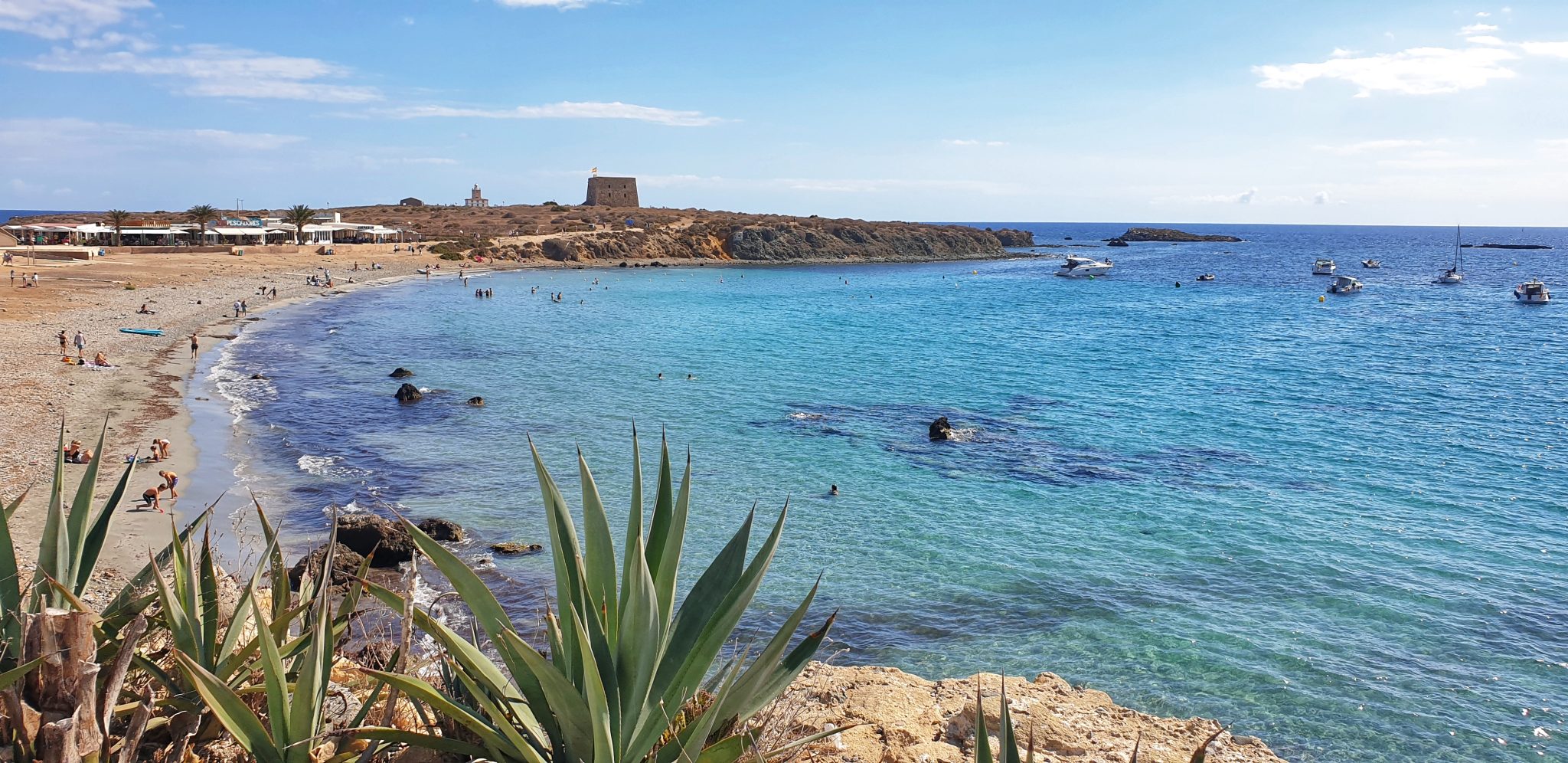
The only inhabited island in the Valencian Community
Tabarca Island — also known as Nueva Tabarca or Isla Plana — is the only inhabited island in the Valencian Community. It is located off the coast of Alicante, just 9 kilometers from Cape Santa Pola, in the Mediterranean Sea.
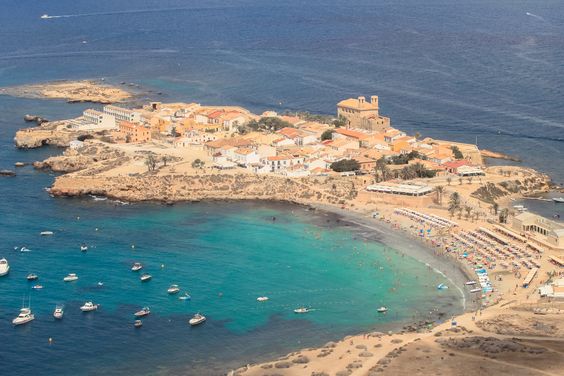
With just 1,800 meters in length and 400 meters in width, Tabarca is actually a small archipelago formed by four islets: Isla Plana, La Cantera, La Galera, and La Nao. Its total area is about 30 hectares — roughly the size of 18 football fields.
What makes Tabarca unique is the combination of history, nature, and the sea that it offers in such a small space. An 18th-century walled historic center, Spain's first marine reserve, crystal clear beaches, and a seafaring gastronomy featuring the famous "Caldero Tabarquino".
What to see on Tabarca Island
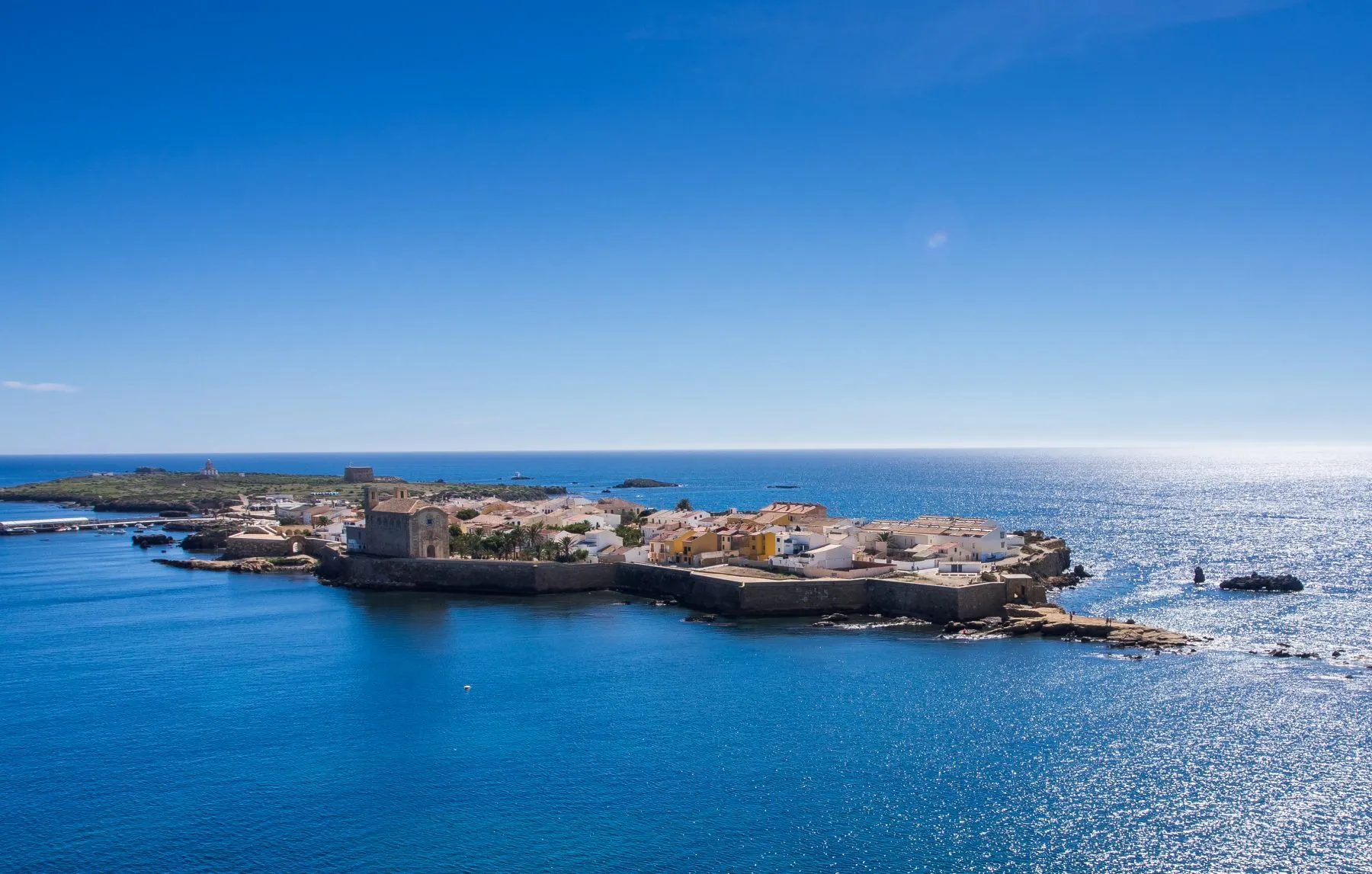
Historic Walled Village
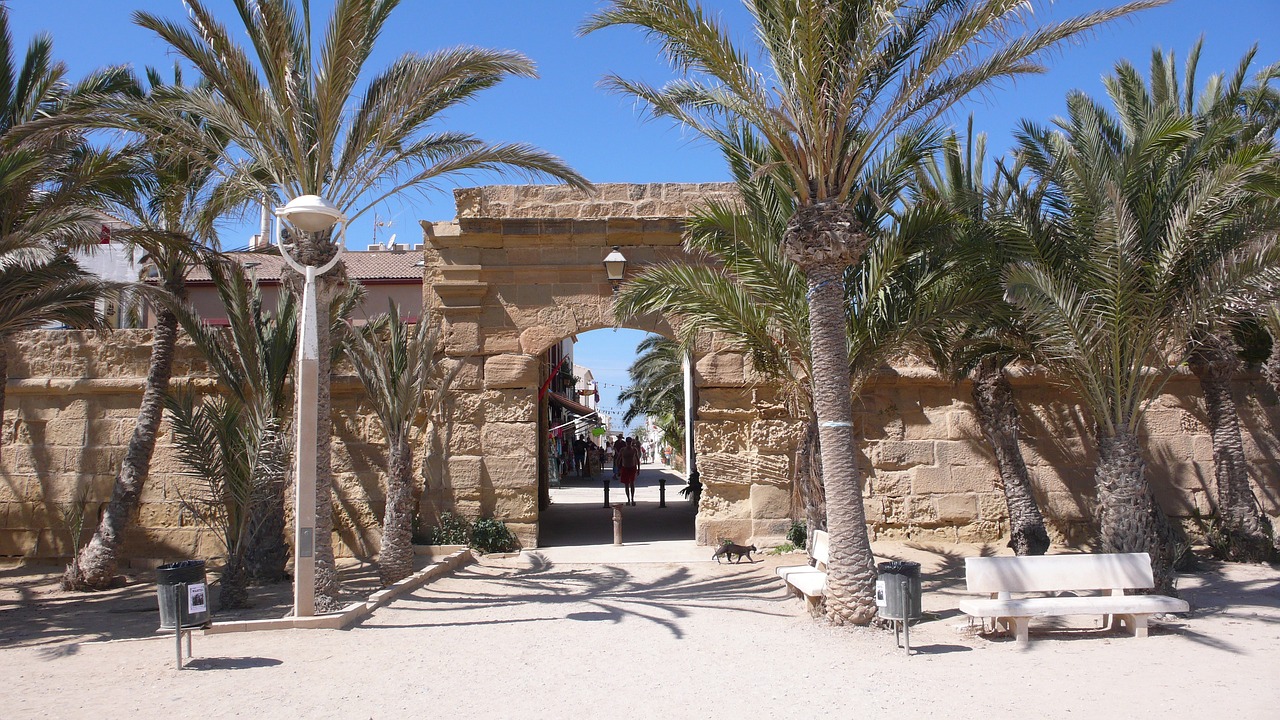
The only surviving example of 18th-century military urban planning in Spain. Built by order of King Charles III in 1769 to house Genoese fishermen rescued from captivity in Algiers. The three gates — San Rafael, San Miguel, and San Gabriel — flank the walls surrounding the town.
Tabarca Marine Reserve
Declared Spain's first marine reserve in 1986, it protects over 1,400 hectares of unique Mediterranean biodiversity. Posidonia meadows, groupers, octopuses, and colorful schools of fish can be seen while snorkeling right from the shore.
Beaches and Coves
Levante Beach is the most popular, with calm waters perfect for families. Cala del Francés offers spectacular seabeds for snorkeling. Playa Seca and Cala Blanca provide more solitude in the less-traveled northern part of the island.
Church of St. Peter & St. Paul
Built in the 18th century in Baroque style, it is the most iconic building in the historic center. Its fleur-de-lis design was inspired by the coat of arms of King Charles III. It is located in the heart of the walled village.
Tabarca Lighthouse
Built in 1854 at the easternmost tip of the island, it offers the best panoramic views of Tabarca. From here, you can see La Nao islet and, on clear days, the Alicante coast. The path to the lighthouse crosses the wildest part of the island.
Local Gastronomy
The "Caldero Tabarquino" is the island's signature dish — rockfish with potatoes and alioli, followed by honeyed rice cooked in the broth. A recipe passed down by Genoese fishermen for generations that can only be found in Tabarca.
Tabarca Marine Reserve: A world beneath the waves
In 1986, Tabarca became Spain's first marine reserve. Today, it protects over 1,400 hectares of one of the richest ecosystems in the Mediterranean, with exceptionally clear waters thanks to extensive posidonia meadows that filter the sea.
You don't need to be a diver to enjoy it. With simple snorkeling gear, you can see octopuses, moray eels, groupers, and colorful fish just meters from the shore. And if you travel with us by catamaran, underwater vision is included in your ticket at no extra cost.
- Spain's first marine reserve — established in 1986
- Protected Posidonia oceanica throughout the reserve
- Snorkeling accessible from the shore with no experience needed
- Underwater vision included on the boat from Santa Pola
- Fishing is strictly prohibited in the entire reserve

Discover Tabarca in Pictures
The History of Tabarca Island
Refuge for Barbary Pirates
For centuries, the island was used as a base by Barbary pirates from North Africa who attacked the Valencian coasts. Its strategic position made it a key point for maritime control.
Charles III Founds the Village
King Charles III ordered the rescue of Genoese coral fishermen held captive in Algiers since 1741. He settled them on the island and commissioned the construction of the walled village — the only surviving 18th-century military urban center in Spain.
Construction of the Lighthouse
The lighthouse was built at the eastern tip of the island to guide ships navigating the Mediterranean. It is still in operation today and is one of the most visited spots for its panoramic views.
Spain's First Marine Reserve
The waters surrounding Tabarca were declared Spain's first marine reserve, protecting over 1,400 hectares of biodiversity. Since then, the underwater flora and fauna have recovered spectacularly.
Catamarán Nueva Tabarca — Route Pioneers
Since 1972, we have operated the Santa Pola — Tabarca Island route, as the pioneer company with the most experience on the route. Over 50 years taking travelers to discover the most special island in the Spanish Mediterranean.
Everything you need to know about Tabarca
Ready to visit Tabarca Island?
Pioneers since 1972 · Underwater vision included · 25 minutes from Santa Pola
🎫 Buy Tickets — from 9 €Flexible Ticket · Valid all season · No commissions · Immediate confirmation
